



Turning Down the Heat: A Nutrition Approach to Inflammation
Do you ever feel bloated, sluggish, or plagued by mysterious aches? The root cause might just be chronic inflammation, a long-lasting immune response that keeps the body in a constant state of defense. While inflammation normally helps the body heal after injury or infection, it can become harmful when it doesn’t subside. Over time, this ongoing immune activity can damage healthy cells and tissues, increasing the risk of chronic disease.
The Science Behind Inflammation
Short-term inflammation helps the body fight infection, but when it persists, it can harm healthy cells and organs. Immune cells release inflammatory chemicals that are meant to kill germs and promote healing, but if these chemicals remain active for too long, they can damage normal tissue. Chronic inflammation also increases oxidative stress by producing free radicals, which can damage DNA, proteins, and cell membranes. As the body repeatedly tries to repair the same area, abnormal healing may occur, leading to scar tissue that can reduce the function of organs such as the lungs, liver, or heart.
Long-term inflammation can also damage the lining of blood vessels, increasing the buildup of plaque and raising the risk of heart disease and stroke. In autoimmune diseases, the immune system attacks healthy tissues, affecting the joints, skin, nerves, or other organs. In addition, prolonged inflammation can impair normal cellular function, making tissues less responsive to hormones such as insulin. This reduced sensitivity can contribute to insulin resistance and increase the risk of developing type 2 diabetes.
Causes of Inflammation
When eating processed foods, added sugars, refined carbohydrates, and unhealthy fats, the body is not balanced. When consumed regularly, this eating pattern can drive chronic, low-grade inflammation. Over time, this ongoing inflammatory response can leave the immune system in a near-constant state of activation, rather than reserving its response for genuine threats like infection or injury.
Sugars and Refined Carbs
Added sugars and refined carbohydrates, such as those in soda, white bread, and candy, can cause rapid blood sugar spikes that trigger the release of insulin, contributing over time to chronic low-grade inflammation.

Ultra-Processed Foods
Ultra-processed foods are often high in unhealthy fats, sodium, and additives like emulsifiers and preservatives, which have been shown to disrupt gut bacteria and promote inflammation. At the same time, they tend to be low in fiber, vitamins, and minerals that would otherwise help offset these effects.

Low Fiber
Healthy gut bacteria are supported by fiber from foods like vegetables, legumes, and whole grains. When fiber intake is low, beneficial bacteria populations can shrink, limiting their ability to help control inflammation.
Minimal Fruits and Vegetables
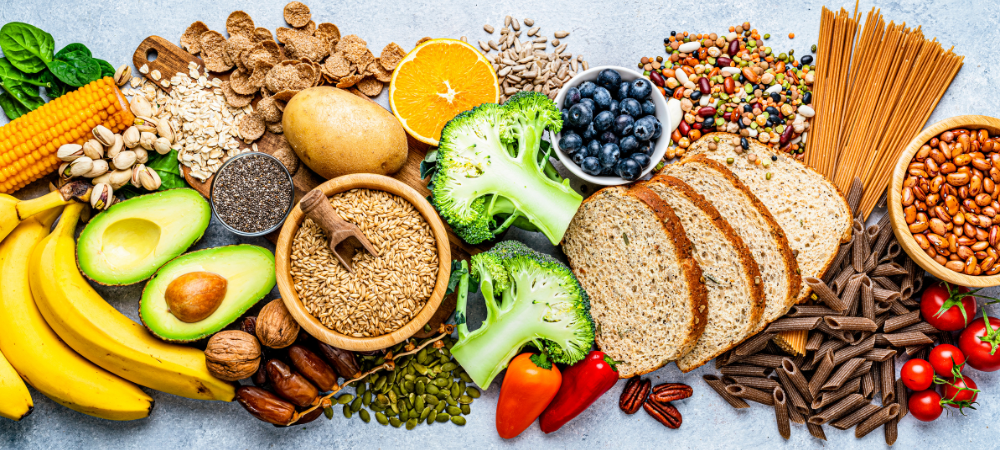
Diets low in fruits and vegetables tend to be low in antioxidants and phytonutrients, compounds that help neutralize oxidative stress that drives inflammation. Prioritizing whole foods — especially fruits, vegetables, whole grains, beans, nuts, seeds, and healthy fats like olive oil and fish — supplies the fiber, antioxidants, and anti-inflammatory fats the body needs to function well and stay in balance.
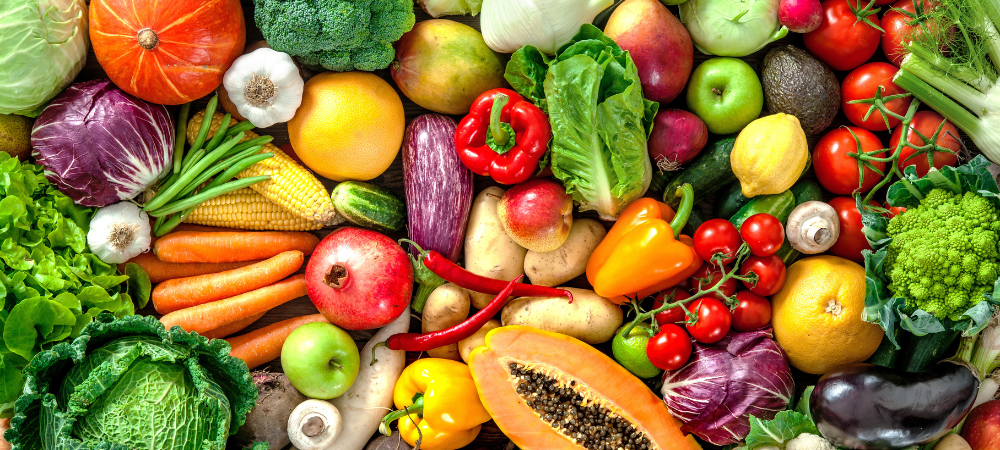
Choosing whole foods like fruits, vegetables, whole grains, and healthy fats provides the nutrients your body needs not just to survive, but to thrive. These small, consistent dietary choices add up over time. The building of a healthy future starts with what’s on your plate today.

Laurice Howell, MPH, MS, RDN, LD, BCBC | laurice.howell@hcsgcorp.com
“I love working for Healthcare Services Group because of the flexibility it offers, which helps me maintain a healthy work-life balance.”
Laurice holds a Masters of Science in Human Nutrition from the University of Alabama, Masters in Public Health from the University of Connecticut, and a Bachelors of Science in Dietetics from Andrews University. A lifelong vegetarian, she supports others in shifting to plant-based eating. Beyond her clinical work, Laurice is active in her community. From guest speaking at health promotion events and consulting with local partners, she is passionate about serving. She serves on the board of the Forgive for Health Ministry in Atlanta, GA, and leads health and wellness efforts in her local congregation.