


Six Eco-Friendly Practices to Incorporate in Healthcare Communities

As facilities strive to deliver exceptional resident and patient care, leaders are recognizing the vital role that environmental responsibility plays in achieving their operational goals. From sourcing supplies to managing facilities, every aspect of healthcare hospitality presents an opportunity to minimize environmental impact and foster a healthier planet. Incorporating these six eco-friendly practices contributes to our responsibility to the environment and sets a precedent for sustainable operations in the industry. As healthcare facilities commit to delivering exceptional resident and patient care, environmental responsibility emerges as a critical driver in achieving vital operational and community goals.
Every function, from supply chain management to facility maintenance, offers an opportunity to reduce environmental impact and champion a healthier planet. The six eco-friendly practices detailed below offer a clear path to fulfilling this dual responsibility, setting a new industry standard for sustainable operations.
- Certified Chemicals and Supplies: Using concentrated chemicals and supplies with reputable environmental certifications can reduce water use and transportation loads, resulting in lower fuel consumption and emissions, aligning with eco-conscious objectives.
- Eco-Friendly Paper Products: Opting for paper products that boast impressive eco-credentials is a great way to be environmentally friendly. Using paper products that are 99% ECOLOGO-certified, 50% compostable, and Green Seal-certified demonstrates a dedication to minimizing environmental impact.
- Innovative Technology: Harnessing technology to minimize cross-contamination and reduce overall chemical usage.
- Local Sourcing: When possible, prioritizing locally sourced produce, bakery goods, and dairy products reduces transportation emissions associated with food supply chains.
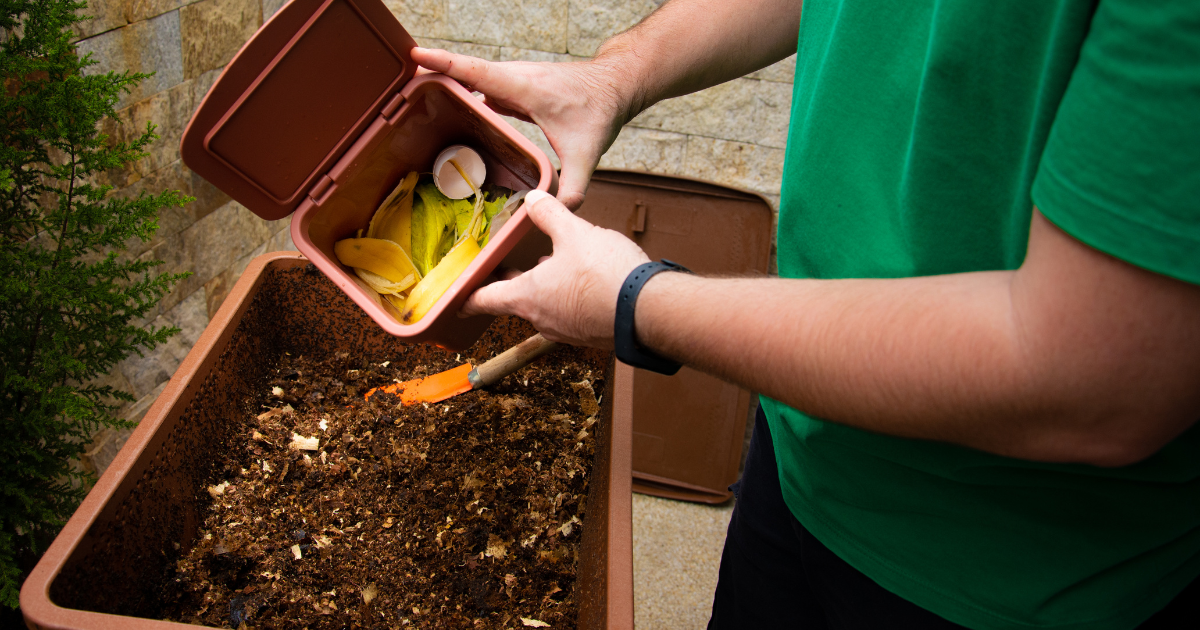
- Reduce Food Waste: Taking steps to reduce food waste is a significant way to reduce greenhouse gas emissions. One way to do this is to use compost bins to dispose of food scraps. These scraps can be turned into nutrient-rich soil used in gardens and landscaping.
- Energy-Efficient Office Spaces: Implementing energy-saving measures such as window tinting, motion-detection lighting, and energy-efficient LED fixtures significantly reduces energy consumption.
By implementing these small, consistent changes, healthcare facilities can make a profound environmental impact. Embracing sustainability not only protects our planet but also fosters a healthier, more resilient future for the communities we serve.